


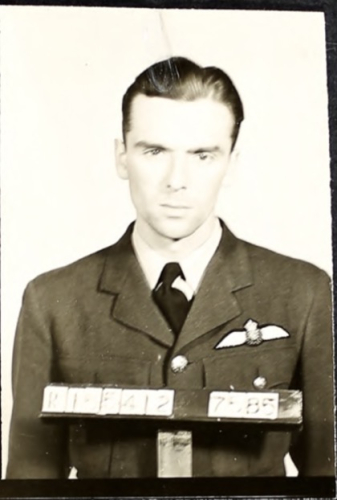
Matthew John Goldie's Story.
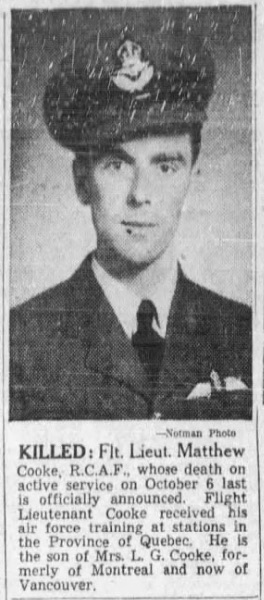
Matthew John Goldie Cooke was born in Calgary on 12th January 1918 July to parents Leo and Hilda Cooke. Prior to enlisting he worked as a buyer for a retail business. He first enlisted in the militia on 10th January 1941 when he indicated that his preference was to train as a pilot. He got his wish on 23rd May 1942 when he enlisted in the RCAF and he completed his initial pilot training in Canada. He embarked on a ship on 12th October 1943 in USA and sailed for the United Kingdom arriving on 19th October 1943. In UK he completed further training at 6EFTS and 24 OTU before joining 1666 CU RCAF at RAF Wombleton in Yorkshire on 6th September 1944 for conversion to Halifax II bombers. He was killed on 5th October 1944 when the aircraft he was flying crashed on a night time cross country training flight. He was aged 26 at the time of his death. He was buried at Blacon Cemetery at Chester.JN886 Accident
On 4th October 1944 Halifax II bomber JN886 of RCAF 1666 CU based at RAF Wombleton in Yorkshire took off on a night flying training exercise. Their objective was to practice bomb a flashlight target at Bristol. At 18,000 feet over Bristol their starboard inner engine briefly caught fire and stopped working so the pilot set a course back to their base reducing altitude to around 10,000 feet which was well above the top of clouds which were at around 8000 feet. The navigator informed the pilot to start descending through the clouds as he believed that they were approaching their base at RAF Wombleton. The pilot descended through the clouds and came out of the clouds at around 1500 feet and he could not see their base as they were in fact over North East Manchester. The pilot flew around at 1500 feet trying to determine their location and find a base to land at. After around one hour of flying at 1500 feet the starboard outer engine stopped running and it seemed inevitable that the aircraft was going to crash. As the aircraft had become unstable and seemed likely to crash the pilot instructed the crew to bale out. Unfortunately the aircraft was at only 900 feet at that time and the three men who managed to bale out were severely injured as their parachutes hadn’t fully opened before they hit the ground. The pilot managed to avoid crashing into houses by crash landing the aircraft in a nearby St Andrews church cemetery at Blackley. Of the crew who were on the aircraft when it crashed three were killed and one survived with minor injuries. The air bomber had pulled his parachute cord inside the aircraft for some unknown reason and was unable to bale out when ordered. He was found dead in the crew rest area along with the Flight Engineer. The Mid Upper gunner was standing by the rear escape ladder when the plane crashed and survived with only minor injuries. The crash occurred at 0005 hrs on 5th October 1944
The seven-man crew consisted of Royal Air Force (RAF) and RCAF personnel:
Pilot: Flying Officer M.J.G. Cooke (RCAF) – Killed
Flight Engineer: Sergeant C.G. Ayres (RAF) – Killed
Air Bomber: Flight Sergeant H.A. Wintermute (RCAF) Killed
Navigator: Sergeant J.S. Turnbull (RCAF) – Survived (baled out, injured)
Wireless Operator: Sergeant J.A. Murden (RCAF) – Survived (baled out, injured)
Air Gunner: Sergeant K.G. Rose (RCAF) – Survived (baled out, injured)
Air Gunner: Sergeant J.A. Craig (RCAF) – Survived (injured in the wreck)
The results of the accident investigation.
The initial report on accident form 1180 did not apportion blame and just recorded that the aircraft had lost two engines. However the Court of Enquiry found that the pilot was to blame for the accident as he had not properly ensured that he knew his position before descending through cloud and had not used the safety aids per his training when he became lost. However the court also suggested that the navigator was to blame for incorrectly determining their location. The court also suggested that the Flight Engineer was responsible for not monitoring the fuel situation properly and allowing the starboard outer engine to run out of fuel which caused the aircraft to lose height and crash. Poor crew coordination was also mentioned as a contributing factor. The Radio Operator had not mentioned the loss of engine when reporting to the controller. It was also noted that the propeller pitch settings for the two starboard engines were set to windmilling and not feathered which would have caused severe drag and instability. However it was not determined whether the incorrect settings were due to pilot error or the levers had moved during the crash
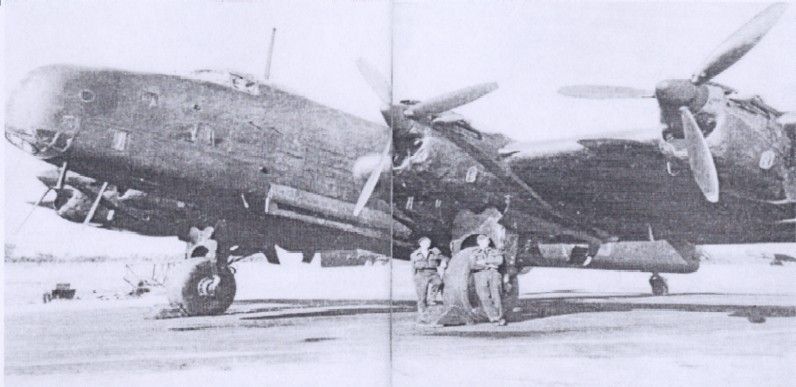
Halifax II of 1666CU at RAF Wombleton.
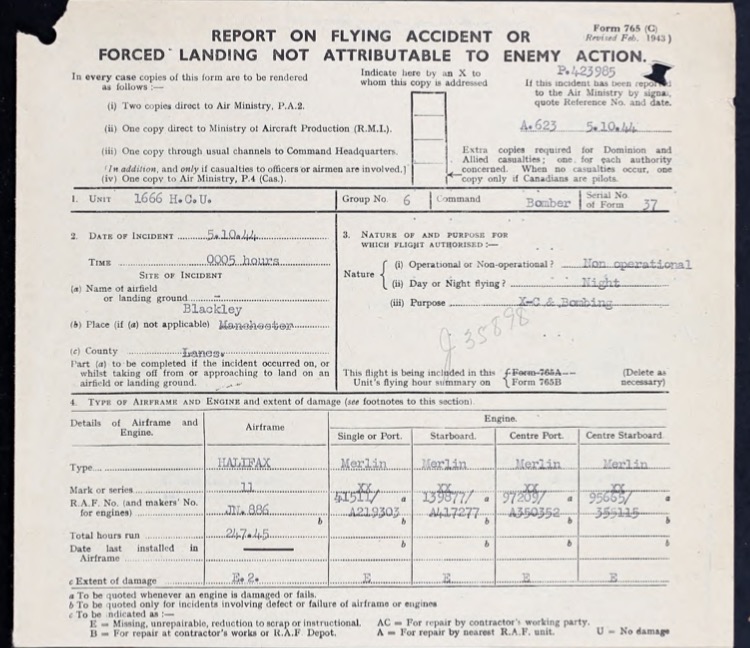
Accident Report 1
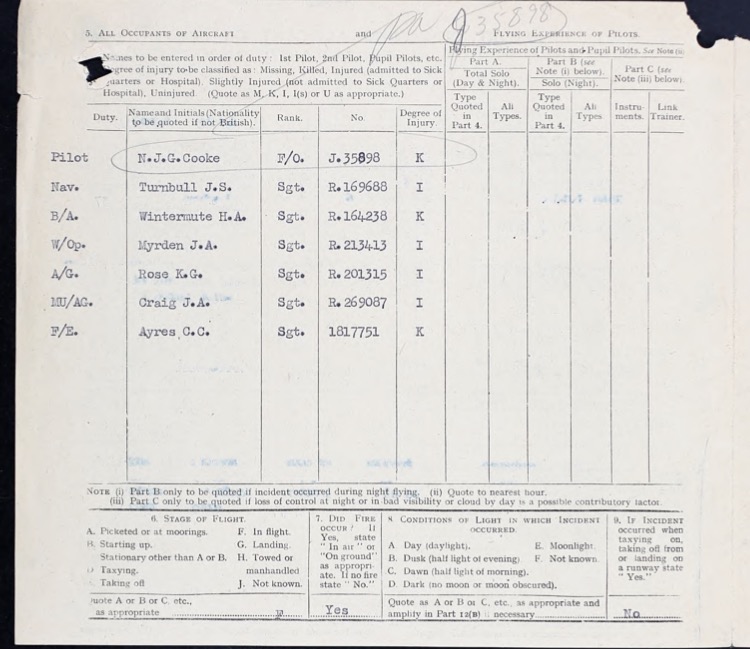
Accident Report 2
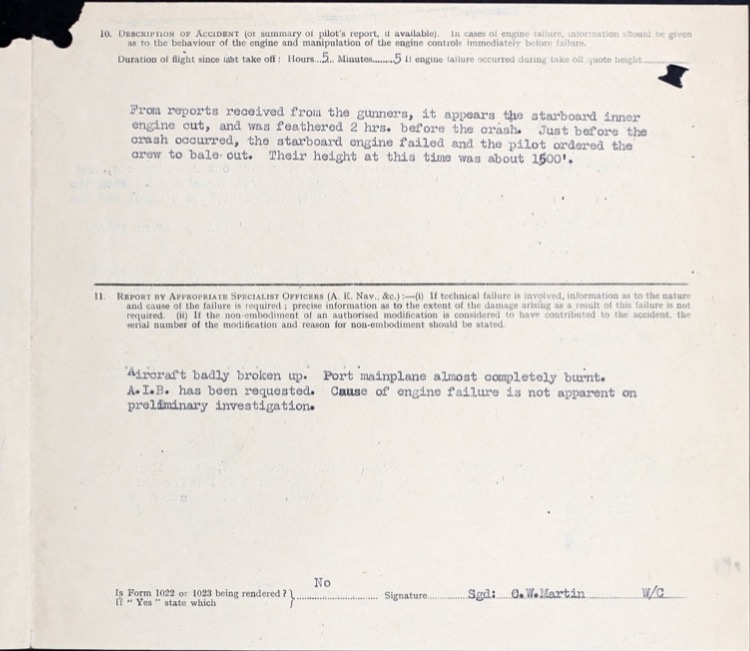
Accident Report 3
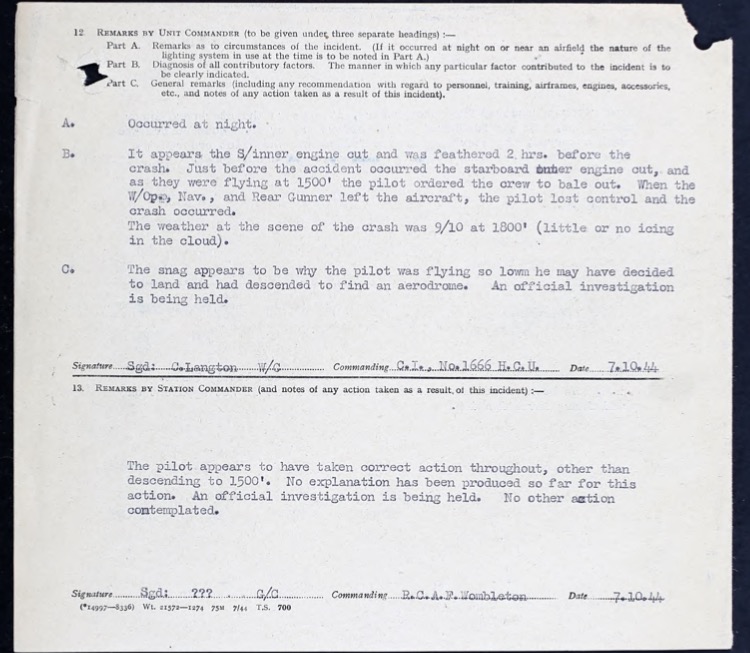
Accident Report 4
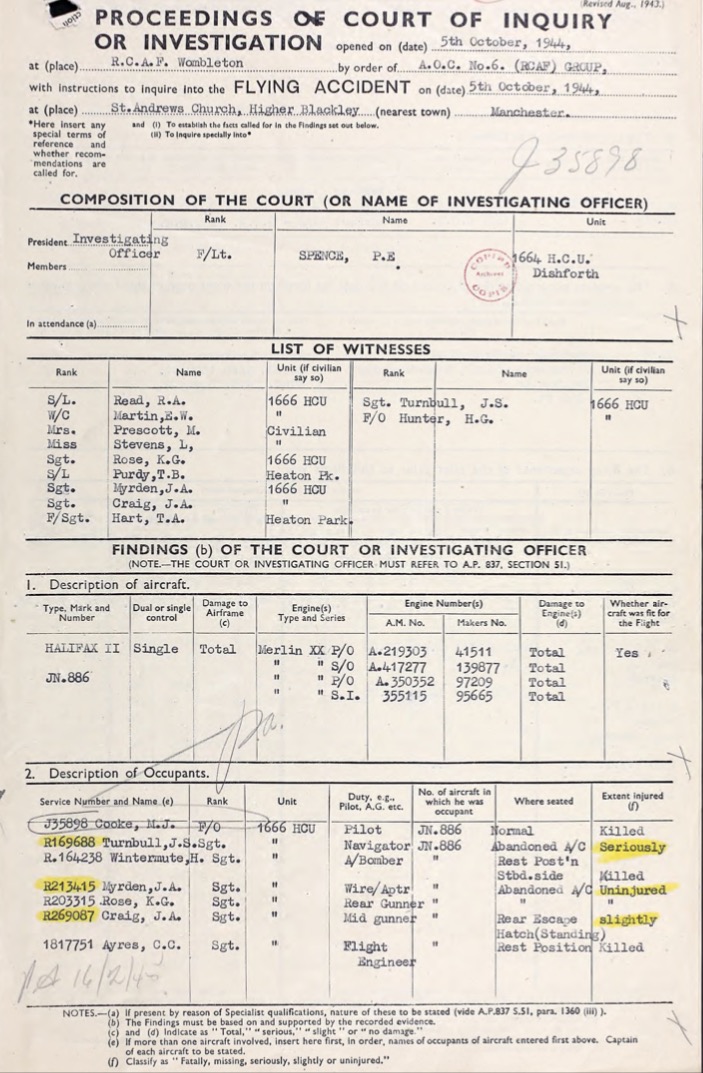
Enquiry 1
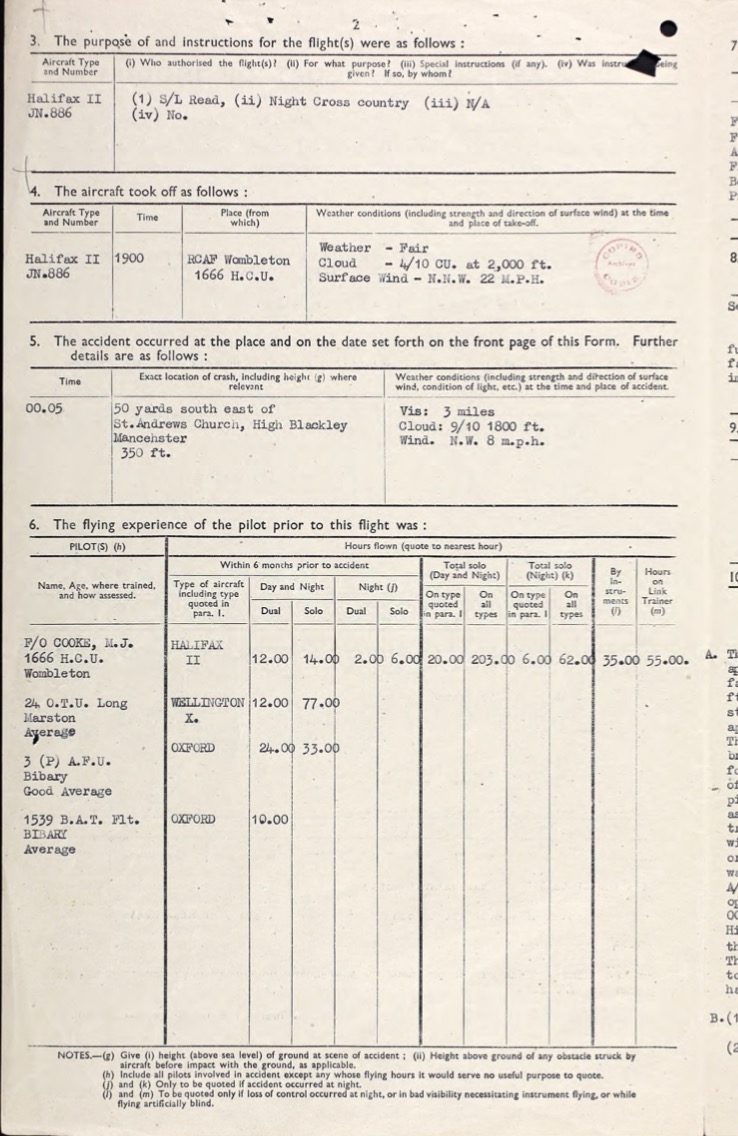
Enquiry 2
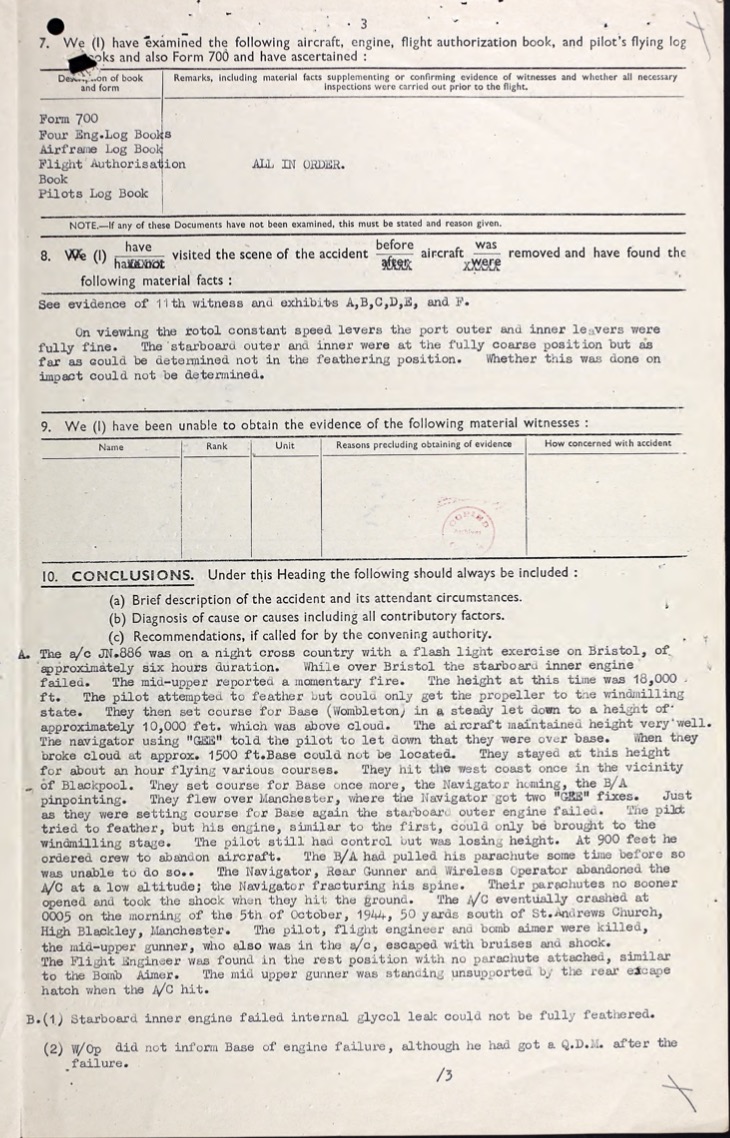
Enquiry 3
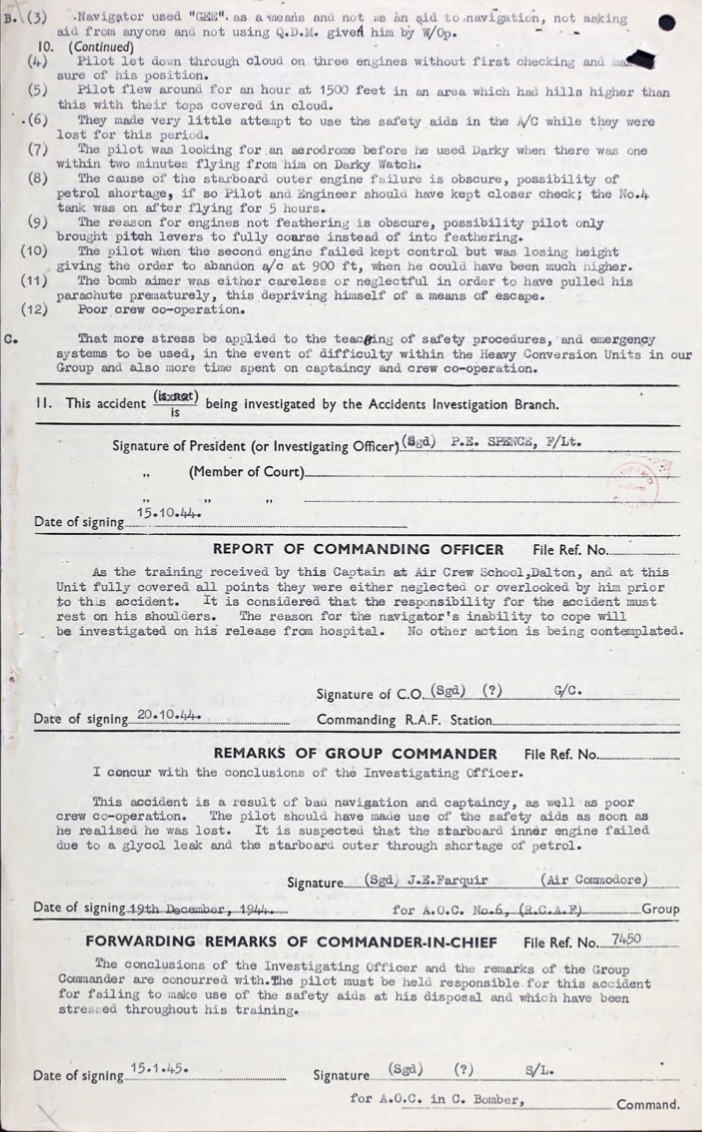
Enquiry 4
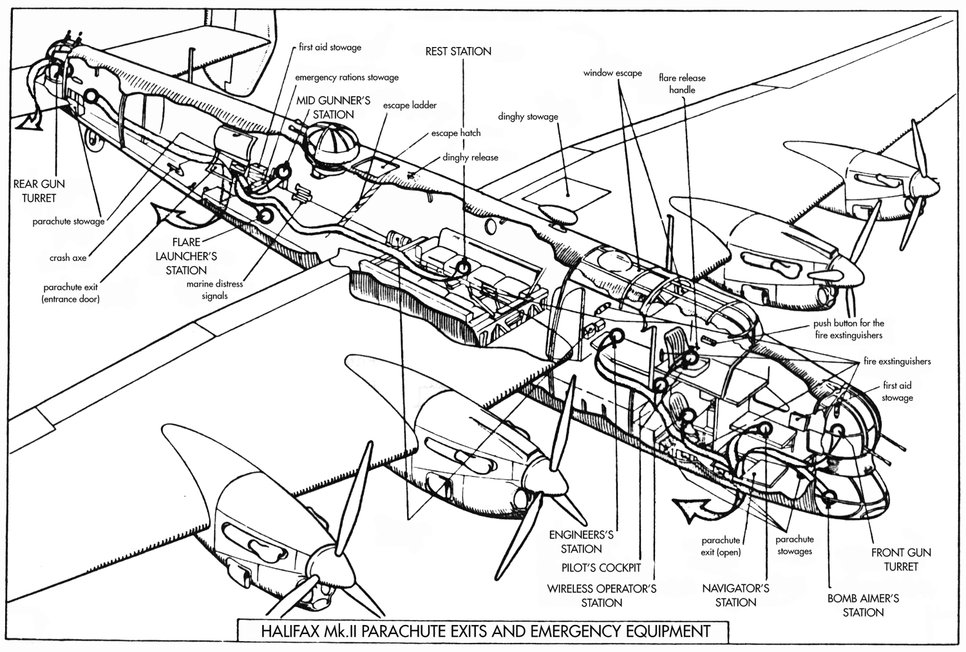
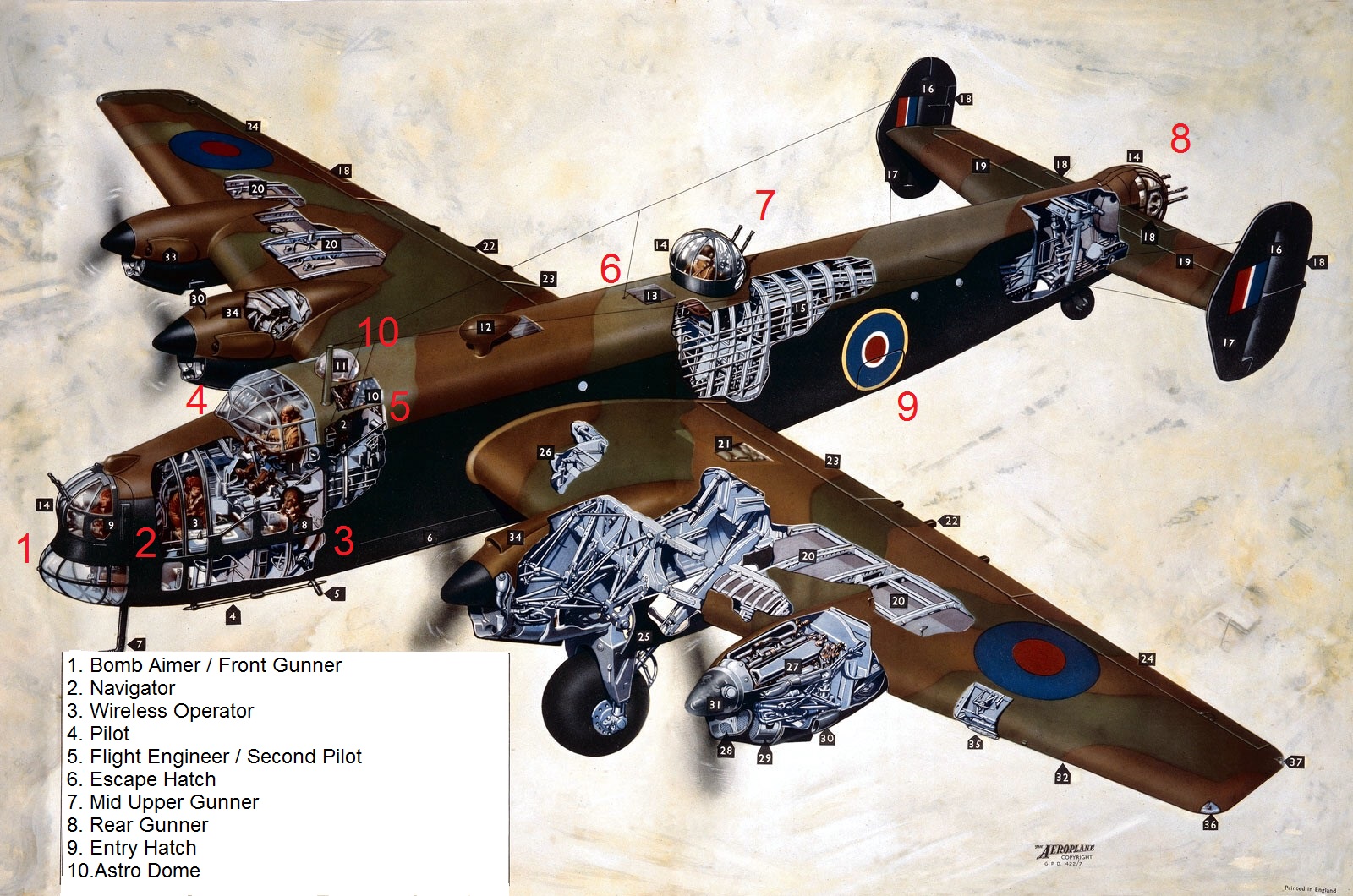
Halifax II

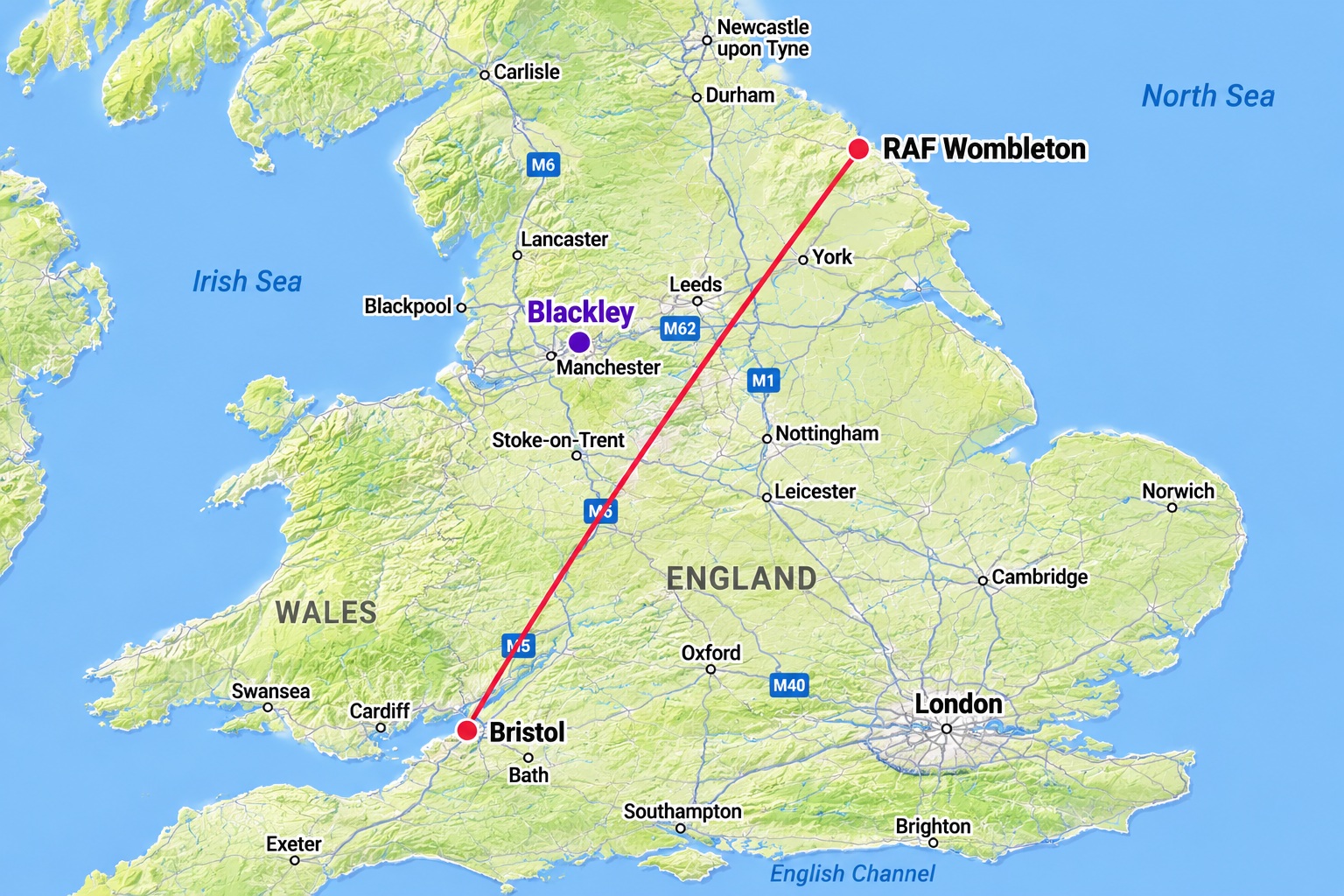
Flight Routing showing crash site at Blackley
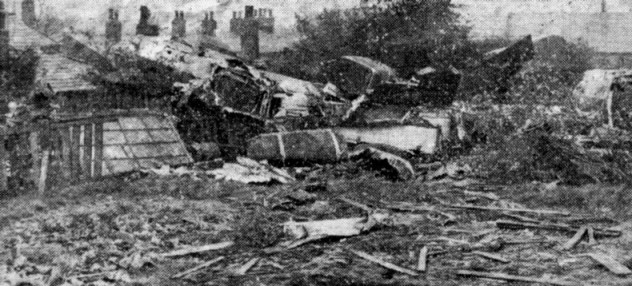
JN886 crash site