


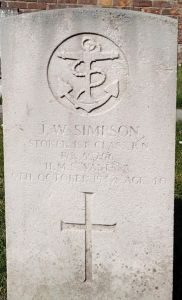
John William's Story.
John William Simpson, aged 40, from Winterley, Cheshire, drowned in Victoria Dock, Liverpool, on 9th October 1942. He had been serving aboard HMS Eaglet in Liverpool (though his headstone cites HMS Vanessa).
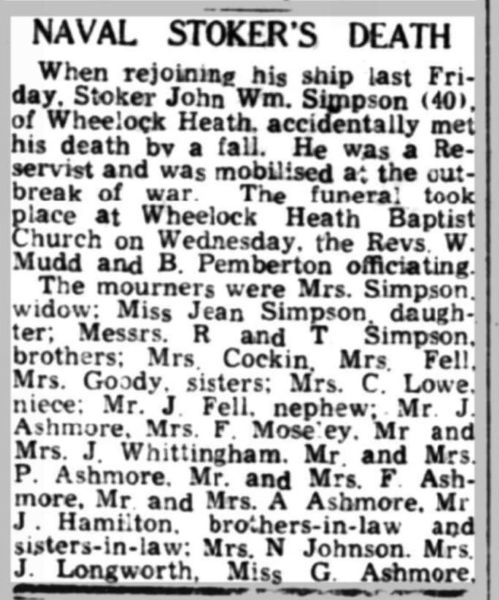
He is buried in Wheelock Heath Baptist Church cemetery in Winterley, his grave marked with a CWGC headstone. He is also remembered on the War Memorial in Wheelock.
What do we know about John?
John William Simpson was born on 27th July 1902, at Barrow in Lancashire. He was the only son of John Swainson Simpson (1862–1935) and Beatrice Chorley (1866–1939), and he was brother to Jane Hannah, Elizabeth, Mary Ann and Margaret Simpson. After being baptised at 17 days old, on 13th August, he grew up with his family at 24 Quebec Street, Ulverston, Lancashire.
A career in the Royal Navy
On 24th November 1920, aged 18, he joined the Royal Navy. His service records show that John was then 5' 8" tall, with fair hair and blue eyes. He was assigned first to HMS Victory II, a land-based training establishment in Portsmouth, Hampshire. He was to return to this location several times in his naval career. Each Shore Establishment or Training Ship had to have a commissioned seagoing vessel at its head to fulfil the criteria of the Naval Discipline Act. (eg. in 1914, Victory I = Portsmouth, Victory II = Crystal Palace, Victory III = Portsmouth.) John may have been attached to various different actual ships in the course of his career but Victory II was often his accounting base for his pay and conditions.
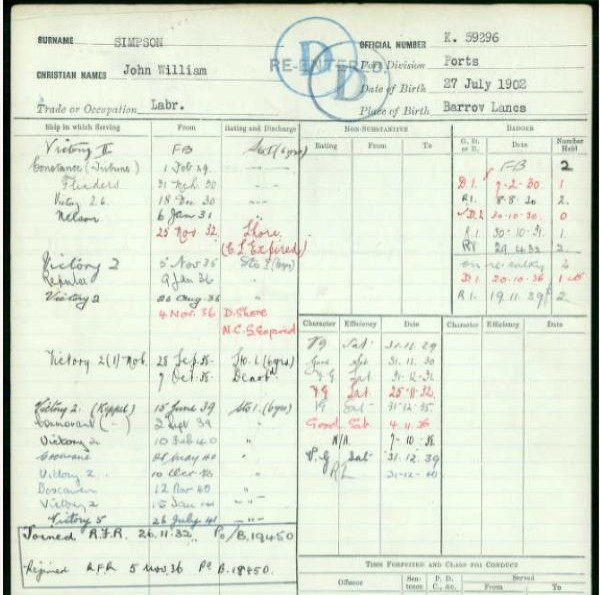
Record of units to which John William Simpson was attached
Sea-going ships on his entry in the Royal Navy Registers of Seamen's Services include the Champion, Tiger, Philomel, Constance, Nelson, Flinders, Cormorant and Boscawen. After serving in the Navy for his twelve years, John re-joined in November 1932 and in 1936, as a Stoker 1st Class.
A stoker was a member of the engineering branch responsible for operating and maintaining the ship's boilers and engines. Stokers were crucial in keeping ships operational, especially on coal or oil--fired steam ships. The shovelling of coal into the boilers was hard physical labour in very hot and dusty conditions. Stoking the boilers was also a highly skilled job. The ‘firebed’ in the boiler had to be even and any gaps filled with white hot coal. The stokers would wear blue-tinted glasses to protect their eyes from the intense glare whilst they were checking the ‘firebed’.
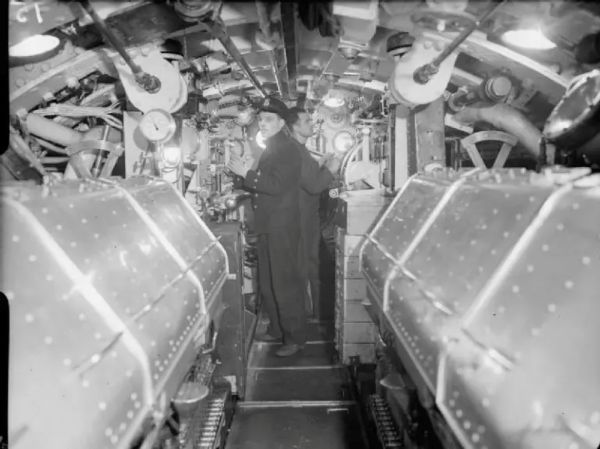
Stokers at work on board a Royal Navy ship (not JWS)
Marriage to Amy Ashmore
In the autumn of 1930, he married Amy Ashmore (1904–1979) who lived at Hooter Cottage, Elton Lane, Winterley / Wheelock Heath, near Sandbach. Their married home was at 22 (later at 368) Crewe Road, Winterley. John and Amy had a daughter, Florence Jean, known as Jeannie (1931 - 2012), and two sons, Samuel and John, who both died in infancy.
By 1942, John had been bereaved twice more. Both of his parents had died - his father in 1935, his mother in 1939. Sadly, his wife was soon to lose her husband as well as her baby sons.
Death by accidental drowning
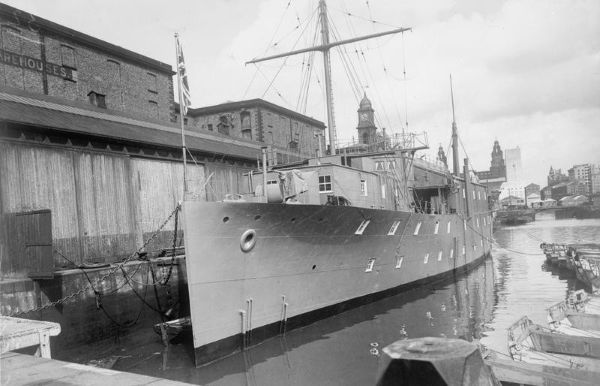
HMS Eaglet in 1945
In October 1942, he was serving on HMS Eaglet, a First World War 24-class sloop formerly named HMS Sir Bevis. This ship was berthed at Salthouse Dock, Liverpool. (In 1971, the sloop was scrapped. HMS Eaglet is currently (2025) a Royal Navy Reserve unit based ashore at the Royal Navy Regional Headquarters in Liverpool.)
John died by accidental drowning on Friday 9th October. He was forty years old. He is remembered on a CWGC headstone in Wheelock Heath Baptist Church, and a number of family members' names are recorded on the grave, including his wife Amy (who died on 3rd April 1979), daughter Jeannie and son-in-law Stanley Edwin Twemlow. John'is name appears on the War Memorial in Wheelock.
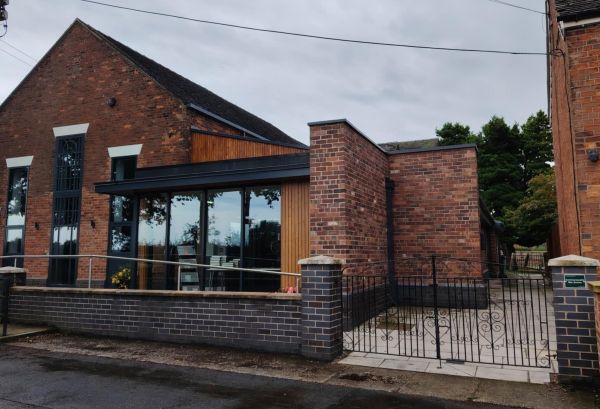
Wheelock Heath Baptist Church (2025)
Inquest
Following his death, an inquest was held by the Liverpool City Coroner.

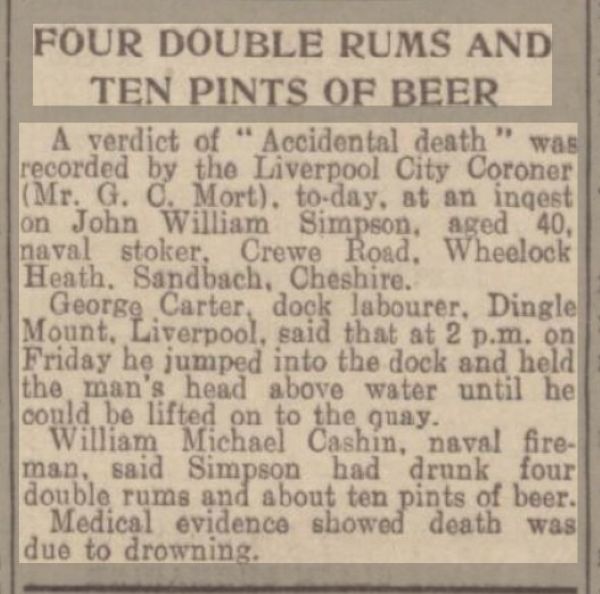
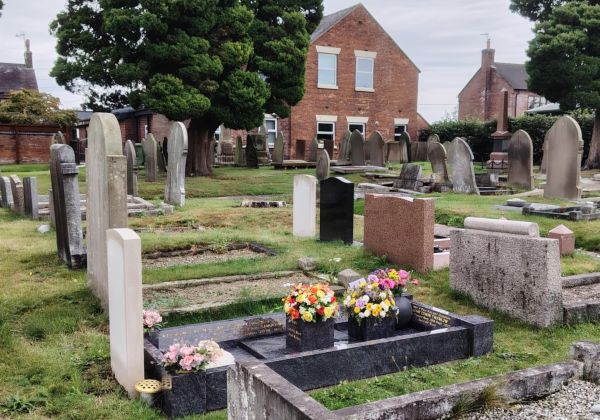
Liverpool Echo - Monday 12th October 1942
On the afternoon of his death, John had been drinking heavily. A witness at the inquest reported that he had had ten pints of beer and four double shots of rum. After accidentally falling into the dock around 2pm in the afternoon, he drowned, despite the efforts of George Carter, a dock labourer, who jumped into the water to rescue him.
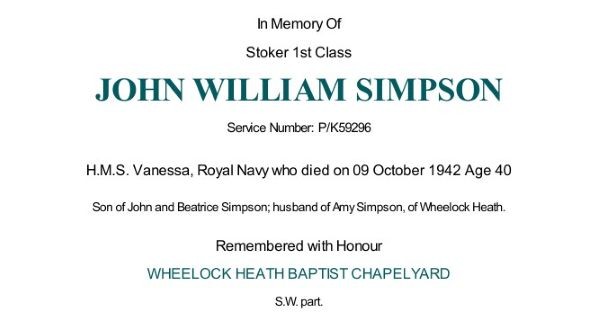
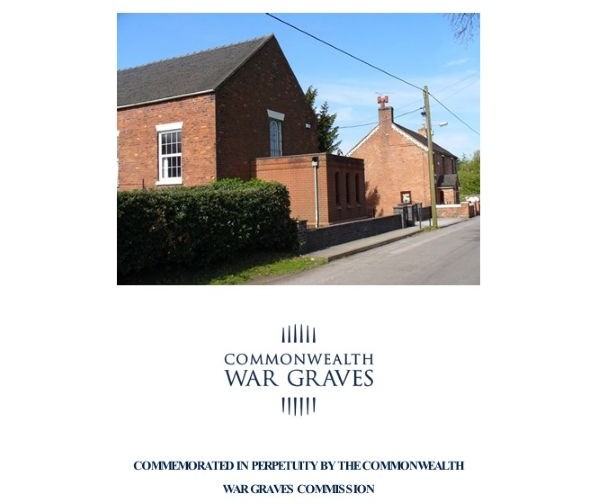
John, who had risked his life for his country as a member of the Royal Navy, is remembered with honour by the CWGC:
HMS Vanessa?
NB John's unit is specified as being "HMS Vanessa" (D29) which was a V-class destroyer of the British Royal Navy that was in service during World War I and World War II. However, she is not listed on John's service record. From July 1942, this ship operated on North Atlantic convoy escort duty and was assigned to the 2nd Escort Group, in which she joined the destroyers Hesperus and Whitehall and the corvettes Campanula, Clematis, Gentian, Heather, Mignonette, and Sweetbriar. In October 1942, she was escorting Convoy HX 213, and was not in Liverpool. It is not clear why John is listed by CWGC as being attached to her, unless it was only for administrative purposes.
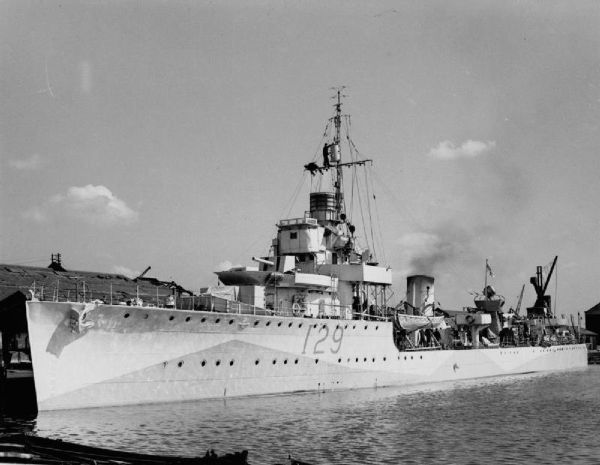
HMS Vanessa during WW2
Rsearched by Shena Lewington (September back on 2025)
He is buried in Wheelock Heath Baptist Church cemetery in Winterley, his grave marked with a CWGC headstone. He is also remembered on the War Memorial in Wheelock.
What do we know about John?
John William Simpson was born on 27th July 1902, at Barrow in Lancashire. He was the only son of John Swainson Simpson (1862–1935) and Beatrice Chorley (1866–1939), and he was brother to Jane Hannah, Elizabeth, Mary Ann and Margaret Simpson. After being baptised at 17 days old, on 13th August, he grew up with his family at 24 Quebec Street, Ulverston, Lancashire.
A career in the Royal Navy
On 24th November 1920, aged 18, he joined the Royal Navy. His service records show that John was then 5' 8" tall, with fair hair and blue eyes. He was assigned first to HMS Victory II, a land-based training establishment in Portsmouth, Hampshire. He was to return to this location several times in his naval career. Each Shore Establishment or Training Ship had to have a commissioned seagoing vessel at its head to fulfil the criteria of the Naval Discipline Act. (eg. in 1914, Victory I = Portsmouth, Victory II = Crystal Palace, Victory III = Portsmouth.) John may have been attached to various different actual ships in the course of his career but Victory II was often his accounting base for his pay and conditions.
Record of units to which John William Simpson was attached
Sea-going ships on his entry in the Royal Navy Registers of Seamen's Services include the Champion, Tiger, Philomel, Constance, Nelson, Flinders, Cormorant and Boscawen. After serving in the Navy for his twelve years, John re-joined in November 1932 and in 1936, as a Stoker 1st Class.
A stoker was a member of the engineering branch responsible for operating and maintaining the ship's boilers and engines. Stokers were crucial in keeping ships operational, especially on coal or oil--fired steam ships. The shovelling of coal into the boilers was hard physical labour in very hot and dusty conditions. Stoking the boilers was also a highly skilled job. The ‘firebed’ in the boiler had to be even and any gaps filled with white hot coal. The stokers would wear blue-tinted glasses to protect their eyes from the intense glare whilst they were checking the ‘firebed’.
Stokers at work on board a Royal Navy ship (not JWS)
Marriage to Amy Ashmore
In the autumn of 1930, he married Amy Ashmore (1904–1979) who lived at Hooter Cottage, Elton Lane, Winterley / Wheelock Heath, near Sandbach. Their married home was at 22 (later at 368) Crewe Road, Winterley. John and Amy had a daughter, Florence Jean, known as Jeannie (1931 - 2012), and two sons, Samuel and John, who both died in infancy.
By 1942, John had been bereaved twice more. Both of his parents had died - his father in 1935, his mother in 1939. Sadly, his wife was soon to lose her husband as well as her baby sons.
Death by accidental drowning
HMS Eaglet in 1945
In October 1942, he was serving on HMS Eaglet, a First World War 24-class sloop formerly named HMS Sir Bevis. This ship was berthed at Salthouse Dock, Liverpool. (In 1971, the sloop was scrapped. HMS Eaglet is currently (2025) a Royal Navy Reserve unit based ashore at the Royal Navy Regional Headquarters in Liverpool.)
John died by accidental drowning on Friday 9th October. He was forty years old. He is remembered on a CWGC headstone in Wheelock Heath Baptist Church, and a number of family members' names are recorded on the grave, including his wife Amy (who died on 3rd April 1979), daughter Jeannie and son-in-law Stanley Edwin Twemlow. John'is name appears on the War Memorial in Wheelock.
Wheelock Heath Baptist Church (2025)
Inquest
Following his death, an inquest was held by the Liverpool City Coroner.
Liverpool Echo - Monday 12th October 1942
On the afternoon of his death, John had been drinking heavily. A witness at the inquest reported that he had had ten pints of beer and four double shots of rum. After accidentally falling into the dock around 2pm in the afternoon, he drowned, despite the efforts of George Carter, a dock labourer, who jumped into the water to rescue him.
John, who had risked his life for his country as a member of the Royal Navy, is remembered with honour by the CWGC:
HMS Vanessa?
NB John's unit is specified as being "HMS Vanessa" (D29) which was a V-class destroyer of the British Royal Navy that was in service during World War I and World War II. However, she is not listed on John's service record. From July 1942, this ship operated on North Atlantic convoy escort duty and was assigned to the 2nd Escort Group, in which she joined the destroyers Hesperus and Whitehall and the corvettes Campanula, Clematis, Gentian, Heather, Mignonette, and Sweetbriar. In October 1942, she was escorting Convoy HX 213, and was not in Liverpool. It is not clear why John is listed by CWGC as being attached to her, unless it was only for administrative purposes.
HMS Vanessa during WW2
Rsearched by Shena Lewington (September back on 2025)